10 Emerging Real Estate Trends in 2021
Real estate, like almost every aspect of our lives, has suffered many blows during the pandemic.
People fled the big cities and demanded apartments in the suburbs, liberated by working remotely. Caged families craved more space, landlords worried about collecting rent from tenants struggling with unemployment, and commercial storefronts and office space were vacant.
If we look ahead now, real estate is seen as a forerunner for the future of economic recovery, population migration, consumer demand and more.
Roofstock selected 10 emerging real estate trends in 2021 based on data from the Emerging Trends in Real Estate 2021 report produced by PwC and the Urban Land Institute. The trends include topics such as investment prospects, notable real estate markets, population migration, and the impact of COVID-19 on residential and commercial real estate. The trends in this report are based on interviews and surveys of more than 1,600 people who work in real estate advice, investment, lending or real estate development.
Real estate trends are intertwined. Construction costs are high because raw materials are expensive and supply chains are broken. Consumer shopping habits have changed the demand for brick and mortar stores, warehouse space and online goods distribution centers. Rents are rising and in some places houses are being sold within a few days, well above asking prices. Read on to see how these elements are affecting emerging property trends this year.
Sculpies / Shutterstock
Most important topics for the real estate market: employment growth, pandemics, construction wage costs
As jobs recreate in the US, tenants who have rented may be able to take out home loans, leading to more buyers in an already competitive market. Some experts have predicted the housing shortage will last for years before it corrects itself.
While construction slowed during the pandemic, construction costs – both for labor and materials – soared. Many of the price increases were due to labor shortages and disruptions in the supply chains for raw materials and raw materials. For example, the price of wood rose by more than a third. The costs are still high, plus the shortage of skilled workers.
 Gorodenkoff / Shutterstock
COVID-19 accelerated the development of open public spaces, the decline in in-store retail
A 2020 survey by Ernst & Young Global Limited found that 33% of consumers expect to switch more to online shopping; In 2021, nearly 40% said they are still shopping less in physical stores than they did before the pandemic began. Consumers are showing less tolerance for service interruptions related to the coronavirus. Only one in five respondents said they forgive retailers for such disruptions.
COVID-19 has also fueled the discussion about the importance of open public spaces and the disproportionate access of various demographics to them. Roughly 100 million Americans don’t live within 10 minutes of a park – a statistic that has come much into focus in 2020. Restaurants that are providing outdoor seating, along with an increase in discussion and demand for more open space, are driving infrastructure projects that will provide answers coast-to-coast need.
 scarp577 / shutterstock
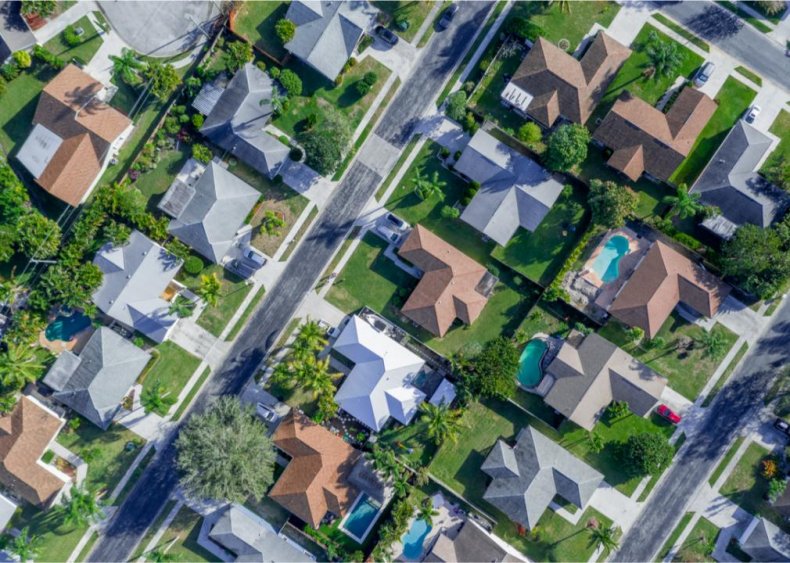
Migration to the suburbs is increasing and is likely to increase
When the pandemic broke out, the city’s residents began to go to the suburbs to work remotely, and they continue to do so. Many in this demographic, mostly moving to suburbs near cities – like New Yorkers moving to New Jersey or Connecticut – are leaving the option of returning to the office part-time. A suburb close to the city also provides access to urban amenities. Experts assume that the demand for single-family homes in suburbs will continue to rise.
 G-Stock Studio / Shutterstock
State-sponsored companies bring the capital for real estate institutes
Government incentives for economic recovery related to the coronavirus are helping to boost the real estate sector and real estate investment companies. Funding helps tenants stay up to date with rent and allows landlords to pay their mortgages, property taxes, and other expenses. Other government funding went directly to landlords and small businesses, which also benefited real estate investments.
 fizkes / shutterstock
Effects of COVID-19 are exacerbating the affordable housing crisis
With real estate prices rising, affordability has turned into a worsening crisis. Nationwide, rents rose more than 7 percent in 2021 and are expected to continue to rise. By definition, affordable housing means that the property costs 30 percent or less of the household income. It is estimated that around 6.8 million rental units for tenants with very low incomes are missing nationwide.
 Konstantin L / Shutterstock
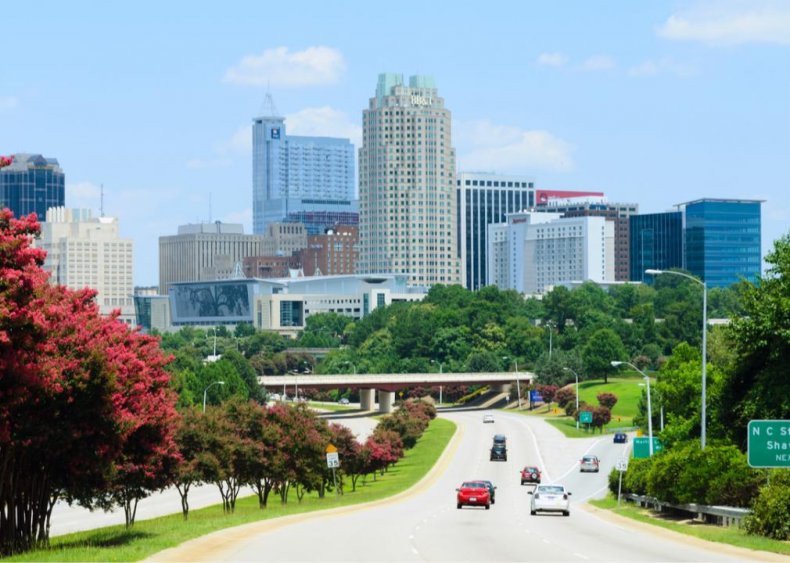
Raleigh / Durham and Austin are two real estate markets to watch out for
In Raleigh, one of the hottest real estate markets in the country, homes for sale are on the market for an average of just four days from July 2021, have good credit ratings and come prepared with healthy down payments. Average house prices in Austin have hit record highs month after month. According to local real estate agents, real estate prices are around 42 percent higher than a year ago.
 Andy Dean Photography / Shutterstock
The investment prospects are highest for industrial / sales and single-family houses
Industrial and retail real estate are strong commercial real estate investments as e-commerce has grown so dramatically amid the pandemic. With more e-commerce and less business in traditional brick and mortar stores, storage space is required for goods. It is estimated that 330 million square feet of warehouse space will be required to take online orders by 2025. Additionally, online sales companies need distribution centers to improve their delivery systems.
 Andrey_Popov / Shutterstock
Fulfillment, warehouse, and single family rental subsectors have the highest ROI potential
In addition to the popular fulfillment and warehouse properties, the single-family rental subsector is attracting the interest of investors. After spending so much time at home during the pandemic, families are moving and looking for detached rental homes with more space. About a third of the 46 million rental units in the country are single-family homes. The build-to-rent market is also growing and around 12 percent of new single-family homes will be rented this year.
 StacieStauffSmith Photos / Shutterstock
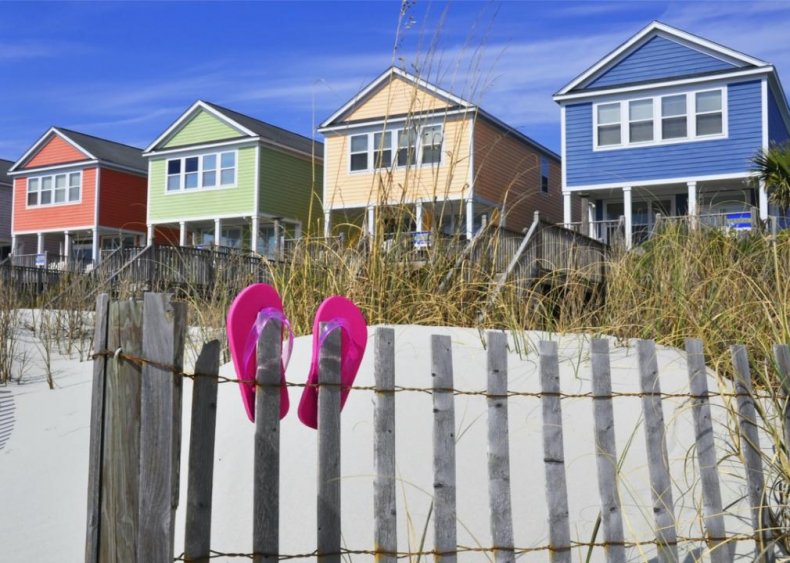
The outlook for residential investment rose the most in holiday homes and single-family homes with high incomes
Vacation homes have become a popular investment as Americans travel again but opt for more privacy and distance than traditional hotels and motels offer. This summer, on the holiday weekend for Independence Day, reservations for short-term vacation rentals were nearly 50 percent higher than in the summer before the 2019 pandemic. The prospects for such reservations are good for the remainder of summer 2021. increased by 80 percent compared to the level of 2019. The prices are higher overall, another plus point for the holiday home investor.
 Stock-Creative / Shutterstock
Construction starts for single and multi-family houses are expected to be on a plateau by 2022
Housing construction is largely slowed down by high building material costs and a shortage of labor. The prices of steel, lumber, concrete and other materials are high. Also, builders are seeing significant delays in the delivery of goods such as heaters and windows. Wood prices could remain high in the west this summer due to forest fires, experts say.