Industrial real estate remains in high demand
The real estate world continues to find its footing after the COVID-19 pandemic, but industrial real estate is riding high.
Multiple quarterly real estate reports from firms in Grand Rapids continue to report the success of the industrial sector in West Michigan, like much of the country.
Industrial space in Grand Rapids continues to shrink, as businesses look to the region for real estate, according to reports from JLL and Colliers.
“Interest rates are making buyers hesitant, but we are still seeing cash buyers, because vacancy rates are still so low and the industrial market is tight,” said Chris Vanderband, associate at Colliers West Michigan. “We have a lot to be optimistic about.”
Through three-quarters of 2022, nearly 3.3 million square feet of industrial space has been absorbed, with just 3.2% vacancy in the region. Rent has jumped 4.3% this year, up to $4.37 per square foot.
More than 1.2 million square feet of industrial real estate was delivered during the year, including an Amazon distribution center in southeast Grand Rapids.
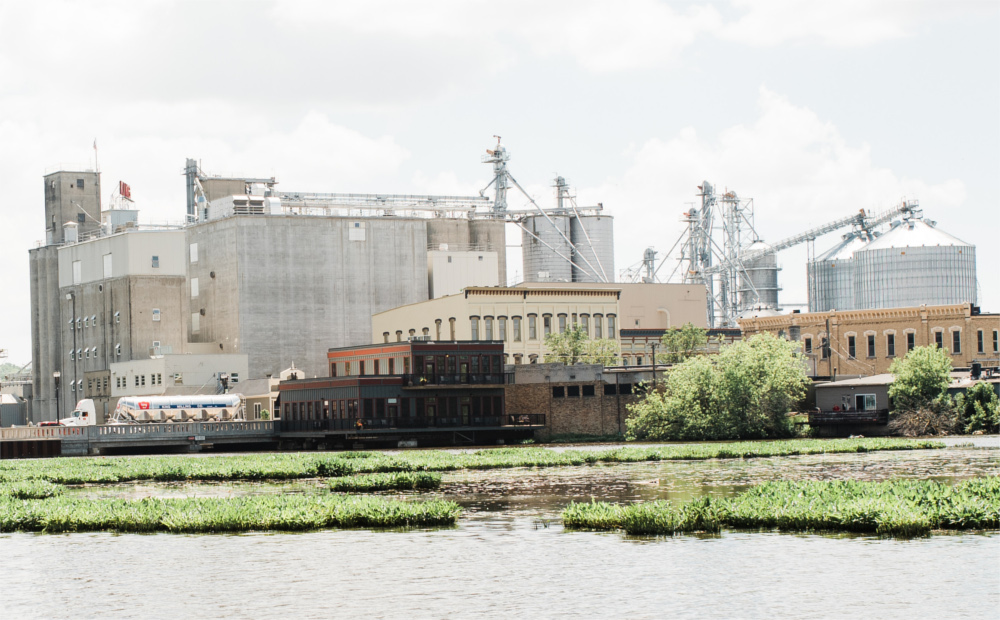
There are multiple major projects coming to the West Michigan area, including a $4.4 billion investment from Honda with LG Energy. Likewise, Gotion Inc. is considering a $2.4 billion battery factory near Big Rapids. Lowell’s King Milling is in the midst of a $42 million expansion.
There is a pipeline of 1.3 million square feet of industrial space under construction, which is a decrease of 2 million square feet from the same point of 2021. With rising interest rates, speculative building will quickly decelerate.
JLL does expect continued rent growth for the time being with vacancy at such low levels.
“In the third quarter, we saw continued rent growth,” JLL Executive Vice President Bob Horn said in the report. “While industrial speculative development continues for the next few months, activity is looking to start to level off based on a couple of factors, including lack of available sites with infrastructure and the costs of money to finance these projects. Related, several major national financial institutions in June suspended most lending on speculative and development projects.
“Despite this, we’ve seen 1.2 million square feet of new deliveries year-to-date, and 1.3 million square feet of space is currently under construction.”
Industrial demand a national trend
The National Association of Realtors noted in its October Commercial Market Insights there is no end in sight for the consumer demand for industrial real estate. While office and retail prices are dropping, residential and industrial are, at least since the pandemic, well above pre-pandemic heights, according to the International Monetary Fund.
In 2022, 40% of real estate investors want cold-storage warehousing, an increase from 22% in 2021, according to CBRE.
CoStar Group found August 2022 was the most active August ever, with 83 million square feet of industrial leases completed, a 14% year-over-year increase.
“While industrial real estate isn’t immune from recessionary headwinds, it does benefit from insulation due to increased e-commerce sales (and) efforts by businesses to diversify their supply chains and hold extra inventory to guard against shortages,” Matthew Walaszek, a research director for CBRE specializing in industrial and logistics property based in Chicago, said per CoStar News.
A looming recession could decrease the demand for industrial real estate, according to JP Morgan Chase. The strong runway of the pandemic for e-commerce, while much of the rest of the commercial real estate world struggled, could help weather the storm.
“As consumer demand wanes, the industrial sector is likely to slow as inventories are managed down and the demand for industrial space decreases,” said Greg Reimers, JPMorgan Chase real estate banking northeast market manager.